Winter Car Maintenance Checklist: What to Check Before Cold Weather
Prepare your car for cold weather with a practical winter maintenance checklist covering tires, battery, fluids, brakes, lights, wipers, road salt, emergency supplies, and EV-specific considerations.
In this article
- Winter Car Maintenance Checklist at a Glance
- Check Your Tires Before Winter
- Check tire pressure when the tires are cold
- Inspect tread and sidewalls
- Do you need winter tires?
- AWD does not replace appropriate tires
- Test Your Car Battery
- Check Coolant and Other Fluids
- Engine coolant
- Engine oil
- Windshield washer fluid
- Inspect Brakes, Lights, Wipers, and Defrosters
- Check the brakes
- Check your lights
- Inspect windshield wipers
- Check the defroster
- Check Belts, Hoses, and Other Under-the-Hood Components
- Prepare Your Car for Snow, Ice, and Road Salt
- Wash the vehicle during the winter
- Pay attention to lights and sensors
- Build a Winter Emergency Kit
- What You Can Check Yourself vs. What Needs a Mechanic?
- Winter Preparation by U.S. Climate
- Mild winter climates
- Cold but moderate winter climates
- Heavy snow and ice regions
- EV and Hybrid Winter Preparation
- Common Winter Car Maintenance Mistakes
- Waiting until the first major storm
- Using the wrong tire-pressure number
- Assuming AWD solves everything
- Ignoring a tire-pressure warning after a cold snap
- Using the wrong washer fluid
- Forgetting the underside of the vehicle
- Treating winter preparation as a replacement for regular maintenance
- When Should You Take Your Car to a Mechanic?
- A Simple Before-Winter Checklist You Can Save
- Conclusion
Winter can make small vehicle problems more noticeable—and sometimes more serious. Cold temperatures can reduce battery performance, lower tire pressure, make visibility harder, and put extra demands on your tires, brakes, fluids, and other systems.
A good winter car maintenance checklist is not just about getting through a snowstorm. It is about identifying problems before cold weather arrives, preparing your vehicle for the conditions you actually expect to drive in, and knowing which items you can check yourself and which deserve professional attention.
For most U.S. drivers, winter preparation should start with the basics: check your tires, battery, fluids, brakes, lights, wipers, and defroster. Then consider conditions specific to your area. A driver in a mild Southern climate may need a different level of preparation than someone who regularly drives through heavy snow and ice. Electric vehicles and hybrids also have some additional cold-weather considerations.
Use the checklist below as a practical starting point, but follow your vehicle owner's manual for manufacturer-specific maintenance intervals, fluid specifications, tire-pressure recommendations, and winter operating guidance.
Winter Car Maintenance Checklist at a Glance
Before temperatures drop significantly, work through these areas:
-
Check tire pressure while the tires are cold.
-
Inspect tire tread, sidewalls, and the spare tire if equipped.
-
Decide whether your current tires are appropriate for your winter conditions.
-
Test the battery and charging system.
-
Check engine coolant level and condition according to the manufacturer's recommendations.
-
Check engine oil and other required fluids.
-
Replace worn windshield wipers.
-
Fill the vehicle with winter-rated windshield washer fluid.
-
Test the front and rear defrosters if equipped.
-
Check headlights, brake lights, turn signals, and emergency flashers.
-
Pay attention to brake performance.
-
Inspect belts and hoses if your vehicle uses them.
-
Check for fluid leaks or other visible problems.
-
Prepare for road salt and winter grime.
-
Keep an emergency kit in the vehicle.
-
Review your vehicle's maintenance schedule.
-
Check for open safety recalls.
-
If you drive an EV or hybrid, follow the manufacturer's cold-weather battery and charging recommendations.
The goal is not to replace your regular maintenance schedule. Winter preparation works alongside normal maintenance.
Check Your Tires Before Winter
Your tires are one of the most important parts of winter preparation because they are the only components connecting your vehicle to the road.
Cold weather can reduce tire pressure. That means a tire that appeared properly inflated during warmer weather may show lower pressure when temperatures fall.
Check tire pressure when the tires are cold
Use the tire-pressure specification provided by your vehicle manufacturer. It is normally listed on the driver's-side doorjamb label or in the owner's manual.
Do not use the maximum pressure printed on the tire sidewall as the vehicle's recommended pressure.
Check all four tires when they are cold. If your vehicle has a spare tire, check it as well. A spare that has been sitting unused for months can also lose pressure.
If the tire-pressure monitoring system shows a warning after a major temperature drop, check the actual pressure rather than simply resetting the warning. If a tire continues losing pressure, inspect it for a puncture, damage, or another problem.
Inspect tread and sidewalls
Look over each tire for:
-
Uneven tread wear
-
Excessive wear
-
Cracks
-
Bulges
-
Cuts
-
Objects embedded in the tread
-
Damage to the sidewall
NHTSA recommends tires have at least 2/32 inch of tread remaining. That is a minimum safety reference, not a guarantee of strong winter traction. Drivers who regularly encounter snow and ice should consider the condition and suitability of their tires for those conditions rather than relying only on a minimum tread measurement.
If you notice unusual wear, vibration, pulling, or repeated pressure loss, have the tires inspected.
Do you need winter tires?
Whether winter tires make sense depends on where and how you drive.
A driver in an area with relatively mild winters may be comfortable with good all-season tires that are properly maintained. A driver who regularly encounters snow, ice, freezing temperatures, or poorly cleared roads may benefit from tires specifically designed for winter conditions.
Winter tires are designed to maintain better performance in cold conditions than many conventional all-season tires. Your decision should consider your local climate, typical roads, driving frequency, tire condition, and vehicle manufacturer's recommendations.
AWD does not replace appropriate tires
All-wheel drive and four-wheel drive can help a vehicle maintain traction when accelerating, but they do not eliminate the need for suitable tires.
Tires still provide the grip needed for braking, steering, and cornering. An AWD vehicle with inappropriate or heavily worn tires can still have difficulty stopping or controlling the vehicle on slippery roads.
If you drive regularly in severe winter conditions, consider the entire combination of vehicle drivetrain and tire capability rather than treating AWD or 4WD as a substitute for winter-ready tires.
Test Your Car Battery
Cold weather can reduce battery performance, which is why a battery that barely starts the vehicle during mild weather may become a bigger problem once temperatures fall.
If your battery is older, the engine has been cranking more slowly than usual, the vehicle has needed jump-starts, or you have noticed electrical problems, winter is a good time to have the battery and charging system checked.
A basic inspection should look for:
-
Corrosion around battery connections
-
Loose connections
-
Physical battery damage
-
Signs of leakage
-
Difficulty starting
-
Unusual electrical behavior
Battery testing is particularly useful before a period of severe cold. A professional can test the battery and charging system and determine whether the battery is still performing adequately.
Do not wait for the first major freeze to discover that the battery is weak.
Check Coolant and Other Fluids
Your vehicle's fluids play an important role in cold-weather operation.
Engine coolant
Check the coolant level according to the manufacturer's instructions and look for signs of leaks.
Use the coolant type and specification recommended for your vehicle. Do not assume that every vehicle uses the same coolant or that simply adding a different type is appropriate.
If the coolant is low repeatedly, there may be a leak or another mechanical problem that needs attention.
If you are unsure about coolant condition, type, or service requirements, consult the owner's manual or a qualified technician.
Engine oil
Cold temperatures can affect how engine oil behaves, which makes using the correct oil specification important.
Your owner's manual should identify the recommended oil viscosity and specification for your vehicle. Follow the manufacturer's maintenance schedule rather than automatically changing the oil solely because winter is approaching.
If your vehicle is already due for an oil change or another scheduled service, winter preparation can be a good opportunity to take care of it.
For a broader understanding of routine service expenses, see KnowBrook's guide to car maintenance costs.
Windshield washer fluid
Use washer fluid designed for cold weather in regions where freezing temperatures are expected.
Ordinary water or an inappropriate washer-fluid mixture can freeze and leave you without an effective way to clear the windshield.
This matters because winter visibility can deteriorate quickly from snow, slush, road spray, and salt.
Inspect Brakes, Lights, Wipers, and Defrosters
Winter driving can create challenging visibility and road conditions, so basic safety systems deserve attention before the season begins.
Check the brakes
Pay attention to warning signs such as:
-
Squealing or grinding
-
Pulsation when braking
-
A soft or unusual brake pedal
-
Pulling while braking
-
Longer stopping distances
-
Brake warning lights
Do not postpone an inspection if you notice a significant change in braking performance.
Winter conditions can already make stopping more difficult. Starting the season with a known brake problem is an unnecessary risk.
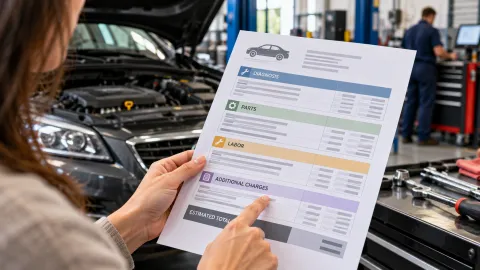
If an inspection identifies repairs you do not understand, learning how to read a car repair estimate can help you understand the recommended work, parts, labor, and urgency.
Check your lights
Test:
-
Headlights
-
Brake lights
-
Turn signals
-
Emergency flashers
-
Parking or marker lights
-
Interior lights where relevant
Snow, darkness, fog, and winter storms can reduce visibility for everyone on the road. Working lights help you see and help other drivers see your vehicle.
Inspect windshield wipers
Worn wiper blades can leave streaks, skip across the glass, or fail to clear water and slush effectively.
Replace blades that are cracked, torn, hardened, or leaving significant areas uncleared.
Also make sure the washer system sprays properly and that the windshield washer reservoir contains an appropriate winter fluid where freezing temperatures are expected.
Check the defroster
Test the vehicle's defroster before you need it.
A working defroster can be essential for clearing condensation, frost, and other visibility problems from the windshield. If the system is not working properly, have the issue diagnosed before severe winter weather arrives.
Check Belts, Hoses, and Other Under-the-Hood Components
A winter inspection is also a good opportunity to look for obvious problems under the hood.
Depending on the vehicle, inspect for:
-
Cracked or visibly damaged belts
-
Damaged hoses
-
Loose connections
-
Fluid leaks
-
Corrosion
-
Unusual residue
-
Other visible signs of deterioration
Not every vehicle has the same components or maintenance requirements, so use the owner's manual and manufacturer guidance for vehicle-specific information.
If you notice a problem you cannot identify, do not assume it is harmless simply because the vehicle is still running normally.
Preventive inspection can be much easier than dealing with a breakdown during freezing weather.
Prepare Your Car for Snow, Ice, and Road Salt
Winter maintenance does not stop at the mechanical systems.
In areas where roads are treated with salt or other deicing materials, the underside and exterior of a vehicle can accumulate corrosive residue.
Road salt can contribute to corrosion and can affect exposed components over time, including parts associated with braking, steering, suspension, fuel systems, and other areas.
Wash the vehicle during the winter
If you regularly drive on salted roads, periodic washing can help remove accumulated salt and grime.
Pay attention to areas where winter residue can collect, including the vehicle's lower exterior and appropriate underbody areas.
You do not need to turn winter washing into a daily routine. The goal is to avoid allowing heavy salt buildup to remain on the vehicle throughout the season.
Pay attention to lights and sensors
Modern vehicles may have cameras, parking sensors, driver-assistance sensors, and other equipment mounted around the exterior.
Snow, ice, mud, and road salt can interfere with visibility or sensor operation.
Keep the areas around these components reasonably clean and follow the vehicle manufacturer's instructions for cleaning them.
Do not scrape or clean sensors aggressively if the manufacturer recommends a specific method.
Build a Winter Emergency Kit
Even a well-maintained vehicle can experience an unexpected problem.
A winter emergency kit is especially useful if you travel long distances, drive through areas that receive significant snow and ice, or regularly travel during severe weather.
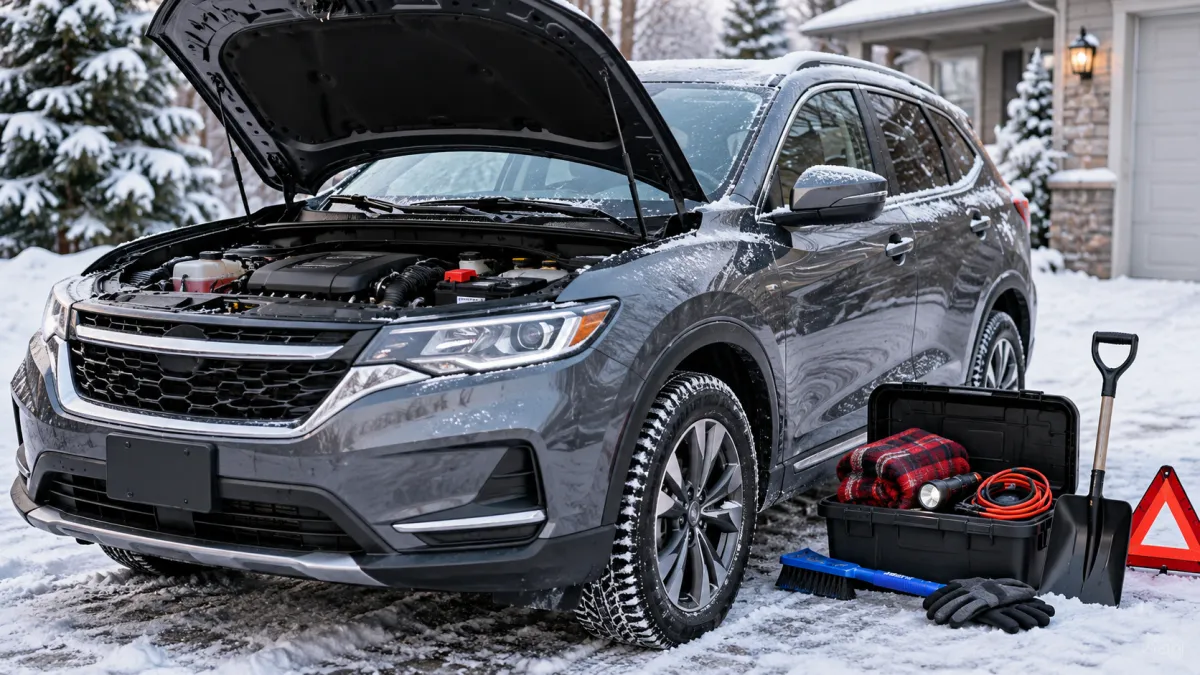
Useful items can include:
-
Ice scraper and snow brush
-
Small shovel
-
Jumper cables or appropriate jump-start equipment
-
Flashlight
-
Warning devices
-
First-aid supplies
-
Blankets or warm clothing
-
Phone charger or charging equipment
-
Water
-
Food
-
Necessary medication
-
Appropriate traction material where useful for your circumstances
The exact contents can vary depending on your climate and driving habits.
The important point is accessibility. An emergency item buried underneath luggage or covered by other cargo may not be very useful when you need it.
Check your kit before winter and replace expired, damaged, missing, or depleted items.
What You Can Check Yourself vs. What Needs a Mechanic?
Not every winter preparation task requires a repair shop.
A simple division can help you decide what to handle yourself and when professional inspection makes more sense.
| Winter check | Often reasonable to check yourself | Professional help may be appropriate |
|---|---|---|
| Tire pressure | Yes | If pressure repeatedly drops or damage is suspected |
| Tire tread and visible damage | Basic visual inspection | For unusual wear, damage, or replacement decisions |
| Lights | Yes | If electrical problems prevent operation |
| Wiper blades | Yes | If the washer or wiper system has a mechanical problem |
| Washer fluid | Yes | If the system leaks or does not spray |
| Emergency kit | Yes | Not applicable |
| Battery condition | Basic visual inspection | Battery and charging-system testing |
| Coolant | Level check when safe and according to the manual | Leaks, cooling-system problems, or uncertain service needs |
| Brakes | Watch for warning signs | Brake inspection or repairs |
| Belts and hoses | Basic visual inspection | Replacement or diagnosis |
| Recalls | Check through the official recall system | Dealer or manufacturer repair when applicable |
The key is knowing your limits. Checking tire pressure is different from repairing a brake system. Looking at a coolant reservoir is different from diagnosing a cooling-system leak.
If a safety-critical component appears damaged or behaves abnormally, professional inspection is usually the better choice.
Winter Preparation by U.S. Climate
Not every U.S. driver needs the same winter checklist.
The best approach is to match preparation to the conditions you are likely to encounter.
Mild winter climates
In areas where freezing temperatures and snow are relatively uncommon, focus on the basics:
-
Tire pressure and condition
-
Battery health
-
Wipers and washer fluid
-
Lights
-
Brakes
-
Coolant
-
Regular maintenance
You may not need dedicated winter tires if your typical conditions do not justify them, but tire suitability should still be based on the actual temperatures and road conditions you encounter.
Cold but moderate winter climates
Drivers who regularly experience freezing temperatures should pay closer attention to:
-
Tire pressure changes
-
Battery performance
-
Coolant specifications
-
Washer fluid
-
Wipers and defrosters
-
Tire condition
-
Emergency supplies
A vehicle that performs normally in fall can behave differently once temperatures remain below freezing.
Heavy snow and ice regions
Drivers who regularly encounter substantial snow, ice, or severe winter weather should take a more comprehensive approach.
Tire selection becomes particularly important. Emergency equipment also deserves greater attention, especially for drivers who travel rural roads, commute long distances, or may encounter delayed road clearing.
Road-salt exposure is another major consideration. Regular cleaning can help reduce the amount of corrosive material remaining on the vehicle.
In severe winter areas, it is also worth considering whether your normal driving route and schedule expose you to conditions that require more preparation than a basic seasonal inspection.
EV and Hybrid Winter Preparation
Electric vehicles and hybrids also need winter preparation, although some considerations differ from conventional gasoline vehicles.
Cold weather can affect battery performance and driving range. Follow your vehicle manufacturer's guidance for cold-weather charging, battery conditioning, and operation.
Tires remain important regardless of powertrain. EVs and hybrids still depend on tire grip for braking and steering.
Other familiar checks also matter:
-
Tire pressure
-
Tire condition
-
Wipers
-
Washer fluid
-
Lights
-
Defroster
-
Brake system
-
Emergency supplies
If you own an EV or hybrid, use the manufacturer's instructions for battery-specific winter recommendations rather than applying assumptions from a gasoline vehicle.
Common Winter Car Maintenance Mistakes
Winter preparation often fails because drivers focus on the most obvious problem—snow—while overlooking smaller maintenance issues.
Waiting until the first major storm
The first major snow or freeze is a poor time to discover a weak battery, worn wipers, low tire pressure, or damaged tires.
Prepare before severe weather arrives.
Using the wrong tire-pressure number
The number printed on the tire sidewall is not necessarily the vehicle's recommended inflation pressure.
Use the manufacturer's recommended pressure found in the owner's manual or vehicle information label.
Assuming AWD solves everything
AWD or 4WD can improve traction when accelerating, but it does not make tires irrelevant.
Appropriate tires remain critical for braking, steering, and cornering.
Ignoring a tire-pressure warning after a cold snap
A cold-weather warning may indicate reduced pressure, but that does not mean the warning should simply be reset.
Check the actual pressure while the tires are cold and investigate continued pressure loss.
Using the wrong washer fluid
Freezing temperatures can turn an unsuitable fluid into a visibility problem when you need the windshield washer system most.
Use a washer fluid appropriate for the expected conditions.
Forgetting the underside of the vehicle
Winter salt and grime do not only collect on the visible painted surfaces.
If you drive on treated roads, appropriate underbody cleaning can help reduce salt accumulation and corrosion.
Treating winter preparation as a replacement for regular maintenance
Winter preparation does not replace your normal service schedule.
Oil changes, inspections, filters, fluid services, and other maintenance should continue according to the vehicle manufacturer's recommended schedule.
For a broader mileage- and time-based maintenance plan, review the KnowBrook car maintenance schedule.
When Should You Take Your Car to a Mechanic?
A winter inspection is especially worthwhile if you notice a problem you cannot confidently evaluate yourself.
Consider professional inspection before winter if you experience:
-
Difficulty starting the vehicle
-
Repeated battery problems
-
Persistent tire-pressure loss
-
Uneven or excessive tire wear
-
Brake noise or unusual pedal behavior
-
Steering problems
-
Coolant leaks
-
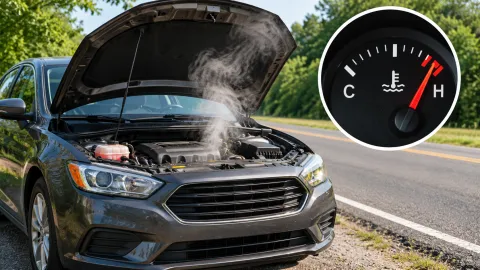
Repeated overheating
-
Damaged belts or hoses
-
Warning lights
-
Wiper or defroster problems
-
Unusual vibrations
-
Any other significant change in vehicle behavior
You also do not need to wait for a breakdown before asking for help.
If your vehicle is due for scheduled maintenance, has an aging battery, has tires near the end of their useful life, or has known mechanical problems, addressing those issues before severe weather can make winter preparation much easier.
Your owner's manual should remain the starting point for vehicle-specific maintenance requirements. Manufacturer recommendations can differ significantly between vehicles, so a generic checklist should supplement—not replace—the instructions designed for your particular car.
A Simple Before-Winter Checklist You Can Save
Before the coldest part of the season arrives, run through this quick list:
Tires
-
Check cold tire pressure.
-
Inspect tread and sidewalls.
-
Check the spare if equipped.
-
Consider whether your tires are appropriate for expected winter conditions.
Battery
-
Check for visible corrosion or damage.
-
Watch for slow starting.
-
Consider battery and charging-system testing if the battery is aging or showing symptoms.
Fluids
-
Check coolant according to the manufacturer's instructions.
-
Look for leaks.
-
Confirm the correct engine oil specification.
-
Fill with appropriate winter windshield washer fluid.
Visibility
-
Replace worn wipers.
-
Test the washer system.
-
Check the front and rear defrosters.
-
Test headlights, brake lights, turn signals, and emergency flashers.
Brakes and mechanical systems
-
Pay attention to brake noise or unusual pedal behavior.
-
Look for visible belt, hose, or fluid problems.
-
Address warning lights or unusual vehicle behavior.
Winter equipment
-
Keep an ice scraper and snow brush.
-
Carry a flashlight.
-
Keep jumper cables or appropriate jump-start equipment.
-
Carry a small shovel and warning devices.
-
Add blankets or warm clothing and other emergency supplies appropriate to your conditions.
Winter environment
-
Plan for road-salt exposure.
-
Clean accumulated salt and grime appropriately.
-
Keep exterior sensors and cameras clear where applicable.
Documentation and maintenance
-
Review your owner's manual.
-
Check your normal maintenance schedule.
-
Check for open safety recalls.
Conclusion
Winter car preparation is mostly about handling small, predictable issues before they become larger problems in cold or severe weather. Start with the systems that directly affect safety and reliability: tires, battery, brakes, visibility, fluids, and lights. Then adapt the rest of your preparation to your climate and driving conditions.
The most important step is to use your vehicle manufacturer's recommendations for specifications and service intervals rather than relying on a one-size-fits-all checklist. A driver in a mild winter climate may need a different level of preparation than someone who regularly drives through snow, ice, and heavily salted roads.
Prepare before the first major storm, keep a practical emergency kit in the vehicle, and have safety-critical problems inspected when you are unsure how to evaluate them. A few basic checks before winter can make the vehicle better prepared for the conditions you are actually likely to face.
Frequently asked questions
How often should I check tire pressure in winter?
Check tire pressure more frequently during cold weather because falling temperatures can reduce tire pressure. Check the tires when they are cold and use the pressure recommended by the vehicle manufacturer, typically found on the driver's door label or in the owner's manual.
Are winter tires necessary if I have all-season tires?
Not necessarily. The right choice depends on your climate, expected winter conditions, driving habits, and the condition of your current tires. Drivers who regularly encounter snow, ice, or prolonged freezing conditions may benefit from dedicated winter tires, while good all-season tires may be suitable in some milder climates.
Does AWD mean I don't need winter tires?
No. AWD can help a vehicle maintain traction when accelerating, but it does not replace the grip provided by appropriate tires during braking and cornering. Tire type and condition remain important in winter driving.
How do I know if my car battery is ready for winter?
A battery and charging system inspection can help identify a weak battery before cold weather arrives. Cold temperatures reduce battery performance, so a battery that already shows signs of weakness may have difficulty starting the vehicle in colder conditions.
What should I keep in my car for a winter emergency?
Consider carrying an ice scraper, shovel, flashlight, jumper cables or appropriate jump-start equipment, warning devices, first-aid supplies, blankets or warm clothing, a phone and charger, water, food, and necessary medication.
What should I do if my tire-pressure warning light comes on when it gets cold?
Check the actual tire pressure when the tires are cold and compare it with the vehicle manufacturer's recommended pressure. Inspect the tires for visible damage. If pressure remains low or a tire appears damaged, have it inspected rather than simply resetting the warning.
Do electric cars need winter maintenance too?
Yes. EVs have different maintenance needs from gasoline vehicles, but cold weather can still affect battery performance and driving range. EV owners should follow their vehicle manufacturer's winter recommendations for charging, battery use, tires, and other systems.
Can road salt damage my car during winter?
1. Yes. Road salt and other winter road chemicals can contribute to corrosion and affect components exposed to road spray. Regular cleaning during the snow season, including appropriate underbody cleaning, can help reduce salt buildup.

Olivia Bennett writes practical automotive content covering car buying, ownership costs, maintenance, vehicle features, reliability, and everyday driving decisions. Her work focuses on helping readers understand automoti...