Why Is My Car Overheating? Causes, Warning Signs, and What to Do Safely
Learn why your car may be overheating, recognize common warning signs, and understand what to do safely when engine temperature rises. This guide explains possible cooling system problems, overheating while driving or idling, when to stop driving, and when to call a mechanic or roadside assistance.
In this article
- What Does It Mean When a Car Overheats?
- What to Do If Your Car Is Overheating
- 1. Find a safe place to pull over
- 2. Do not continue driving to see whether the temperature improves
- 3. Be cautious if steam is coming from under the hood
- 4. Never open a hot radiator or pressurized coolant cap
- 5. Arrange assistance if the problem is persistent
- Common Causes of Car Overheating
- Low Coolant Level
- Coolant Leak
- Faulty Thermostat
- Radiator Problems
- Cooling Fan Failure
- Water Pump Problems
- Damaged Coolant Hoses or Connections
- Possible Head Gasket Problems
- Low Engine Oil
- Why Is My Car Overheating While Driving?
- Why Does My Car Overheat at Idle but Cool Down While Driving?
- Why Is My Car Overheating When the Coolant Is Full?
- Warning Signs That Your Engine May Be Overheating
- Temperature Gauge Moving Toward the Red Zone
- Engine Temperature Warning Light
- Steam Coming From Under the Hood
- Coolant Odor or Visible Leakage
- Unusual Engine Behavior
- Can You Prevent Your Car From Overheating?
- Follow the Vehicle’s Maintenance Schedule
- Check Coolant Level When the Engine Is Cold
- Pay Attention to Coolant Leaks
- Have Cooling-System Problems Inspected Promptly
- Prepare for Seasonal Conditions
- What to Expect When a Mechanic Diagnoses an Overheating Car
- Conclusion
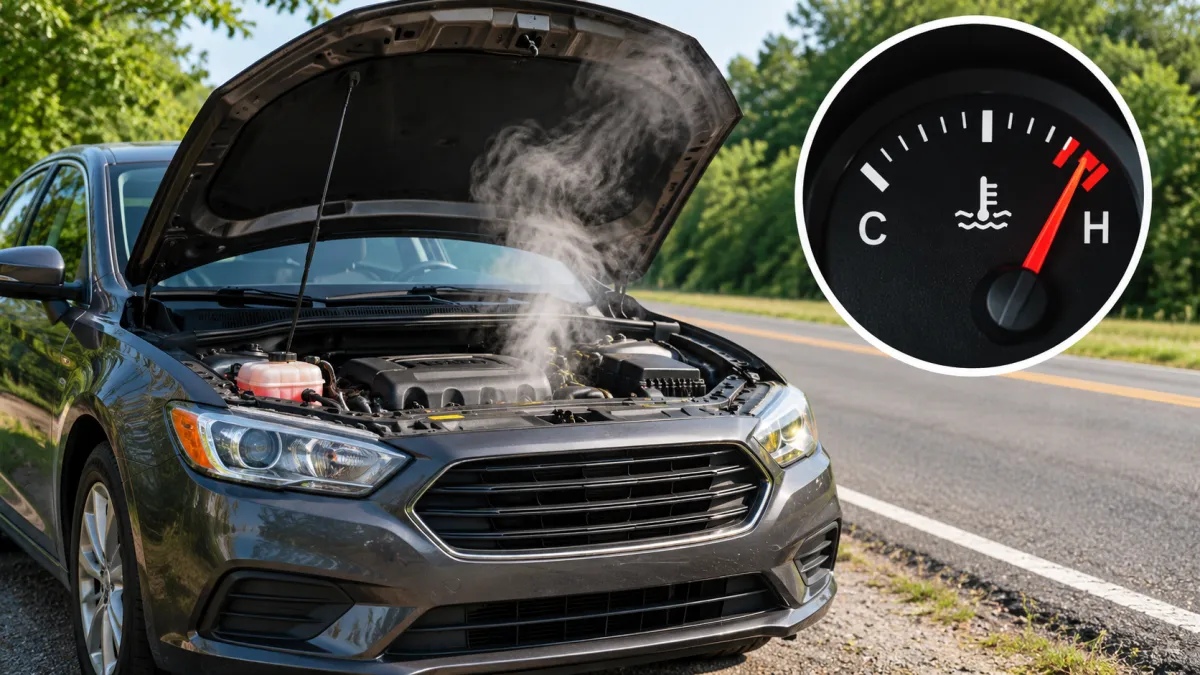
If your car’s temperature gauge is climbing toward the red zone, or you see an engine temperature warning light, the engine may be overheating. This can happen while driving on the highway, sitting in traffic, idling in a parking lot, or even shortly after starting a trip.
A car overheating is often a sign of a problem with its cooling system. Common causes include low coolant, a coolant leak, a malfunctioning thermostat, a radiator problem, a failed cooling fan, or a water pump that is not circulating coolant properly. However, the temperature warning alone cannot identify the exact cause.
The most important thing is to protect yourself and your vehicle. If the engine temperature rises into the danger zone, pull over somewhere safe as soon as possible and follow the vehicle’s owner’s manual. Continuing to drive an overheating car can cause serious engine damage.
This guide explains the common causes of engine overheating, how symptoms may help identify a problem, what to do when the temperature rises, and when professional inspection or roadside assistance is the safer choice.
What Does It Mean When a Car Overheats?
An engine produces a substantial amount of heat while running. Its cooling system is designed to manage that heat and keep the engine operating within its intended temperature range.
The cooling system generally includes:
-
Engine coolant, which absorbs and carries heat
-
A radiator, which releases heat from the coolant
-
A water pump, which circulates coolant
-
A thermostat, which regulates coolant flow based on temperature
-
Cooling fans, which help move air through the radiator
-
Hoses and connections, which carry coolant through the system
When one or more of these components fail to work properly, the engine may become hotter than intended.
You may notice overheating through a dashboard temperature gauge, an engine temperature warning light, steam coming from under the hood, or a noticeable change in how the vehicle operates.
Some vehicles use a temperature gauge, while others provide a warning light or message. The exact warning system varies by vehicle, so consult your owner’s manual to understand what the indicators mean.
What to Do If Your Car Is Overheating
When the engine temperature rises above its normal range, your immediate priority should be safety rather than diagnosing the problem on the roadside.
1. Find a safe place to pull over
If the temperature gauge is entering the red zone or the engine temperature warning appears, safely move out of traffic.
Use your turn signal and look for a suitable shoulder, parking area, or other safe location. Avoid stopping in a dangerous spot if you can safely reach a better one.
Once stopped, follow your vehicle’s owner’s manual for the appropriate shutdown procedure.
2. Do not continue driving to see whether the temperature improves
An overheating engine can suffer damage if it continues operating at an excessive temperature.
Even if the temperature warning disappears temporarily, the underlying problem may still exist. A cooling fan, thermostat, coolant leak, or circulation problem can cause the engine to overheat again.
If the vehicle has overheated significantly, or you are unsure whether it is safe to drive, roadside assistance or towing is the safer option.
3. Be cautious if steam is coming from under the hood
Steam can indicate that coolant is escaping or that the cooling system is extremely hot.
Do not open the hood while steam is actively escaping. Hot coolant and vapor can cause serious burns.
Wait until the steam has subsided and the vehicle has cooled sufficiently before considering a visual inspection. Follow the owner’s manual for the appropriate procedure.
4. Never open a hot radiator or pressurized coolant cap
The cooling system may remain pressurized even after the engine has been switched off.
Opening a hot radiator cap or coolant reservoir cap can release boiling coolant or steam, potentially causing severe burns.
Do not remove the cap while the system is hot or pressurized. A safe waiting period is not the same for every vehicle or overheating situation, so do not rely on a universal number of minutes.
5. Arrange assistance if the problem is persistent
If the temperature warning remains, coolant is leaking, steam appears, or the cause is uncertain, contact roadside assistance or a qualified mechanic.
Avoid restarting or driving the vehicle if doing so could worsen the problem.
Common Causes of Car Overheating
Several cooling-system problems can cause engine overheating. The following are common possibilities, but symptoms alone are not enough to confirm a diagnosis.
Low Coolant Level
Coolant absorbs heat from the engine and transfers it to the radiator. If the coolant level becomes too low, the system may not be able to manage engine heat effectively.
Low coolant can result from:
-
A leak in a hose or connection
-
A leaking radiator
-
A damaged coolant reservoir
-
A water pump leak
-
A problem with another cooling-system component
Some drivers notice a coolant warning or see a puddle under the vehicle. Others may experience overheating without an obvious leak.
A low coolant level should not be treated as a normal condition that simply needs frequent topping off. Repeated coolant loss means the system should be inspected.
The correct coolant type depends on the vehicle. Check the owner’s manual before adding coolant, and never add coolant to a hot or pressurized system.
Coolant Leak
A coolant leak can prevent the cooling system from maintaining the proper fluid level and pressure.
Possible leak locations include radiator seams, coolant hoses, hose connections, the water pump, and the coolant reservoir.
Signs of a possible coolant leak include:
-
A puddle beneath the vehicle
-
A sweet odor around the engine compartment
-
Visible wet areas near cooling-system components
-
A coolant level that repeatedly drops
-
Overheating that returns after coolant has been added
The appearance of a leak may vary depending on the coolant used and the location of the problem. Not every leak leaves an obvious puddle.
If coolant is escaping and the engine is overheating, avoid driving the vehicle until the problem has been evaluated.
Faulty Thermostat
The thermostat helps regulate coolant flow through the engine and radiator.
When the engine is cold, the thermostat typically restricts flow to help the engine warm up. As the engine reaches its operating temperature, the thermostat opens to allow coolant to circulate through the radiator.
If the thermostat becomes stuck closed or fails to open properly, coolant circulation may be restricted. This can cause the engine to overheat.
A thermostat problem may occur even when the coolant level appears normal.
Because other cooling-system faults can produce similar symptoms, a mechanic may need to test the thermostat rather than replace it based only on the temperature gauge.
Radiator Problems
The radiator releases heat from the coolant into the surrounding air.
Radiator-related problems can interfere with heat transfer or coolant circulation. These may include:
-
Internal restrictions
-
External damage
-
Coolant leaks
-
Blocked airflow through the radiator
-
Corrosion or deterioration
If the radiator cannot remove enough heat, the engine temperature may rise during driving or under heavy engine load.
A radiator problem is not always visible from the outside. A professional inspection may be necessary to determine whether the radiator is leaking, restricted, or otherwise malfunctioning.
Cooling Fan Failure
Cooling fans help move air through the radiator, especially when the vehicle is moving slowly or stopped.
If a cooling fan does not operate as intended, the radiator may not receive sufficient airflow to remove heat.
This can be particularly noticeable when a vehicle overheats while idling or sitting in traffic but seems to cool down while moving.
Possible fan-related issues include a faulty fan motor, electrical connection, fuse, relay, or control system.
However, overheating at idle does not automatically mean the cooling fan is defective. Other cooling-system problems can produce the same pattern.
Water Pump Problems
The water pump circulates coolant through the engine and cooling system.
If the pump fails, coolant circulation may become inadequate. Some water pumps may also develop leaks.
Possible warning signs include:
-
Engine overheating
-
Coolant leakage near the pump
-
Unusual noises from the pump area
-
Repeated cooling-system problems
A water pump issue can be difficult to identify without inspection. The pump’s condition, coolant circulation, and other system components may need to be checked by a mechanic.
Damaged Coolant Hoses or Connections
Cooling-system hoses carry coolant between components.
Over time, hoses may deteriorate, crack, become loose, or develop leaks. A damaged hose can allow coolant to escape and reduce the system’s ability to regulate engine temperature.
A hose problem may be more noticeable when the engine is hot, but you should not touch hoses or inspect pressurized components while the system is hot.
If a hose appears damaged or coolant is leaking, professional inspection is recommended.
Possible Head Gasket Problems
The head gasket seals the connection between the engine block and cylinder head.
If it fails, coolant may leak internally or externally, and the engine may overheat. Depending on the failure, other symptoms may occur, such as unusual exhaust smoke, coolant loss, or changes in engine operation.
These signs are not definitive on their own. Similar symptoms can have other causes.
A head gasket problem can be serious, so suspected failure should be evaluated by a qualified mechanic.
Low Engine Oil
Engine oil lubricates moving engine components and helps reduce friction. It also carries some heat away from engine parts.
If the oil level is too low or lubrication is compromised, engine friction and heat may increase. This can contribute to overheating or other engine problems.
Low engine oil is not the same as a coolant-system failure, but it should not be ignored.
Check the oil level only according to the procedure in the owner’s manual. If the oil level is low, the cause should be investigated rather than assuming that adding oil alone resolves the overheating problem.
Why Is My Car Overheating While Driving?
A car that overheats while moving may have a problem with coolant circulation, heat transfer, or the ability of the cooling system to manage engine heat under load.
Possible causes include:
-
Low coolant
-
A coolant leak
-
A thermostat that does not open correctly
-
A restricted or malfunctioning radiator
-
A water pump problem
-
A cooling-system issue that becomes more apparent under engine load
Highway driving may place different demands on the engine than city driving. A vehicle that overheats at higher speeds may have a problem that becomes more noticeable when the engine is producing more heat.
For example, if the temperature rises during a long highway trip, the cooling system may not be able to remove heat quickly enough. This does not necessarily mean the radiator is the cause; other components may be involved.
If the temperature gauge moves into the danger zone, pull over safely and follow the owner’s manual. Do not continue a highway trip while the engine is overheating.
Why Does My Car Overheat at Idle but Cool Down While Driving?
Overheating at idle or in stop-and-go traffic can point toward an airflow problem.
When a vehicle is moving, air passes through the radiator. When the vehicle is stopped, the cooling fan is responsible for helping maintain airflow.
If the fan is not working properly, the engine may become hotter while idling. Once the vehicle starts moving, increased airflow may help the radiator release heat, causing the temperature to decrease.
Possible causes include:
-
A malfunctioning cooling fan
-
A fan motor or electrical issue
-
A radiator airflow restriction
-
Low coolant
-
A thermostat or circulation problem
This pattern is useful information for a mechanic, but it is not a confirmed diagnosis.
If the vehicle repeatedly overheats in traffic, arrange an inspection. Do not rely on keeping the car moving to prevent overheating.
Why Is My Car Overheating When the Coolant Is Full?
A full coolant reservoir does not guarantee that the cooling system is functioning correctly.
The engine can still overheat if coolant is not circulating properly, if heat is not being released through the radiator, or if another component has failed.
Possible explanations include:
| Possible Problem | How It May Affect the Engine |
|---|---|
| Faulty thermostat | Restricts coolant flow when it should open |
| Radiator restriction | Reduces the system’s ability to release heat |
| Cooling fan failure | Limits airflow through the radiator at low speeds |
| Water pump problem | Reduces coolant circulation |
| Head gasket issue | May cause internal coolant loss or other engine problems |
| Air trapped in the cooling system | Can interfere with proper coolant circulation |
The coolant reservoir level may also not tell the complete story of what is happening inside the system.
A mechanic may need to check coolant circulation, thermostat operation, fan operation, system pressure, and other components to identify the cause.
Do not assume that adding more coolant will fix the problem if the level is already correct.
Warning Signs That Your Engine May Be Overheating
Recognizing warning signs early can help you respond before the problem becomes more severe.
Temperature Gauge Moving Toward the Red Zone
If your vehicle has a temperature gauge, pay attention to changes from its normal operating range.
A gauge moving toward the red zone indicates that the engine may be getting too hot. The meaning of the gauge varies by vehicle, so consult the owner’s manual.
Engine Temperature Warning Light
Some vehicles use a warning light or dashboard message to indicate excessive engine temperature.
Take the warning seriously. Follow the vehicle-specific instructions rather than assuming the light will turn off on its own.
Steam Coming From Under the Hood
Steam may indicate escaping coolant or excessive heat.
Do not open the hood while steam is actively escaping. Pull over safely and avoid contact with hot engine components or coolant.
Coolant Odor or Visible Leakage
A sweet smell or visible fluid around the vehicle may indicate a coolant leak.
If the engine is overheating at the same time, stop driving and arrange assistance.
Unusual Engine Behavior
An overheating engine may also exhibit changes in performance. The vehicle may run differently, or the engine may behave unusually.
These symptoms can have causes beyond overheating, so a professional inspection may be needed.
Can You Prevent Your Car From Overheating?
Regular maintenance can help reduce the likelihood of cooling-system problems, although it cannot eliminate every possible failure.
Follow the Vehicle’s Maintenance Schedule
Use the maintenance schedule in your owner’s manual.
The schedule may include inspections or service for coolant, hoses, belts, and other components. Requirements vary by vehicle, engine, coolant type, and operating conditions.
For a broader overview, see KnowBrook’s car maintenance schedule by mileage and time.
Check Coolant Level When the Engine Is Cold
If your owner’s manual recommends checking coolant, follow its procedure.
Look for a level that is below the specified range when the system is cold. If the coolant level repeatedly drops, have the system inspected for leaks or other problems.
Do not open the coolant reservoir or radiator cap while the system is hot or pressurized.
Pay Attention to Coolant Leaks
A small leak can become a more significant problem over time.
If you notice coolant loss, wet areas near cooling-system components, or recurring overheating, do not ignore the signs.
Have Cooling-System Problems Inspected Promptly
If the temperature gauge behaves abnormally, a warning light appears, or the engine overheats repeatedly, arrange professional inspection.
Addressing a cooling-system issue early may help prevent a more extensive repair.
Prepare for Seasonal Conditions
Hot weather, traffic, and demanding driving conditions can place additional stress on a vehicle’s cooling system.
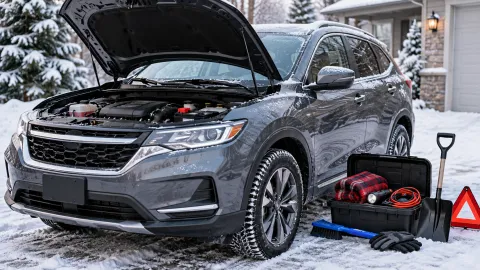
Cold weather also makes vehicle maintenance important. KnowBrook’s winter car maintenance checklist provides a seasonal maintenance reference.
What to Expect When a Mechanic Diagnoses an Overheating Car
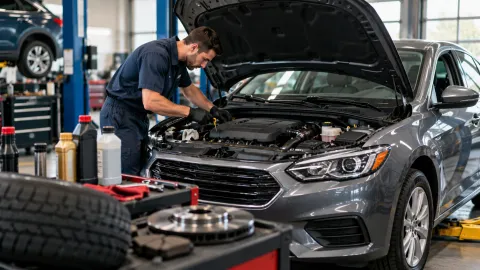
A mechanic will generally need to identify why the engine is becoming too hot rather than simply treating the temperature warning.
Depending on the symptoms, the inspection may involve:
-
Checking the coolant level and condition
-
Looking for visible coolant leaks
-
Inspecting hoses and connections
-
Checking radiator condition and airflow
-
Evaluating cooling fan operation
-
Testing thermostat operation
-
Checking coolant circulation
-
Evaluating the water pump
-
Performing additional tests if an internal engine problem is suspected
The exact diagnostic process depends on the vehicle and the symptoms.
Before approving a repair, ask the mechanic what caused the overheating, what testing supports the diagnosis, and whether other components need attention.
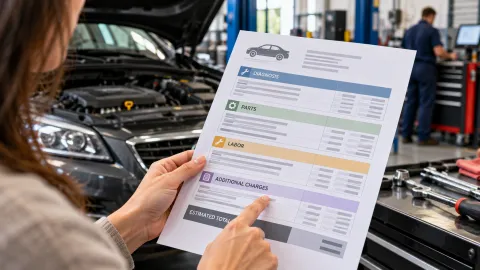
If you receive a repair estimate, KnowBrook’s guide on how to read a car repair estimate and know what you need can help you understand the items listed and evaluate the proposed work.
Repair costs vary substantially depending on the vehicle, the failed component, labor requirements, and the extent of any engine damage. A simple cooling-system repair and a major engine repair are not comparable in cost.
For a general maintenance-cost overview, see how much car maintenance costs on average annually and monthly.
Conclusion
A car overheating is a warning that the engine may not be receiving adequate cooling. Common causes include low coolant, coolant leaks, thermostat problems, radiator issues, cooling fan failure, water pump problems, and other cooling-system faults.
The most important response is to stop safely when the engine temperature enters the danger zone. Do not continue driving an overheating vehicle, open a hot pressurized coolant system, or attempt to diagnose the problem while steam is escaping.
If the engine repeatedly overheats, coolant is leaking, or the cause is uncertain, arrange an inspection by a qualified mechanic or use roadside assistance.
Regular maintenance and attention to early warning signs can help reduce the risk of overheating. But when the temperature warning appears, protecting yourself and preventing further engine damage should come first.
Frequently asked questions
1. Can I drive my car if it is overheating?
No. If the temperature gauge is in the danger zone or an overheating warning appears, pull over safely and follow your vehicle’s owner manual. Continuing to drive can cause serious engine damage. If the overheating persists or the cause is unknown, roadside assistance or towing is safer.
2. Why does my car overheat when idling but cool down while driving?
A cooling fan or airflow problem may be responsible because airflow is reduced when the car is stationary. However, thermostat, radiator, coolant circulation, or other cooling system issues may also contribute. This symptom alone does not confirm a specific fault.
3. Why is my car overheating when the coolant is full?
A full coolant reservoir does not guarantee that the cooling system is working correctly. Possible causes include a stuck thermostat, restricted radiator, cooling fan malfunction, water pump issue, or another circulation problem. A mechanic may need to inspect the system.
4. Can low engine oil cause a car to overheat?
Yes, low engine oil may contribute to excessive engine heat because oil helps reduce friction between moving parts. However, coolant-related problems are also common causes. Check engine oil only using the procedure in your vehicle’s owner manual.
5. How long should I wait before checking the coolant after my car overheats?
There is no universal safe waiting time for every vehicle and situation. The engine and cooling system must cool sufficiently before inspection. Follow your owner manual, and never remove a radiator or coolant cap while the system is hot or pressurized.
6. Should I open the hood if steam is coming out of my car?
No. Do not open the hood while steam is escaping, because hot coolant or steam can cause serious burns. Pull over safely, follow the vehicle’s overheating instructions, and wait until the steam subsides and the vehicle cools.
7. Does a car overheating mean the engine is permanently damaged?
Not necessarily. The extent of potential damage depends on how hot the engine became and how long it remained overheated. However, continued driving can worsen the damage. A professional inspection is advisable after a significant overheating event.

Olivia Bennett writes practical automotive content covering car buying, ownership costs, maintenance, vehicle features, reliability, and everyday driving decisions. Her work focuses on helping readers understand automoti...