What Is Paratransit? Eligibility, How It Works, and How to Apply
Learn what ADA paratransit is, who may qualify, how eligibility is determined, how to apply, what happens after submitting an application, and how service areas, reservations, appeals, and visitor eligibility work in the U.S.
In this article
- What Is Paratransit?
- How Is Paratransit Different From Regular Public Transportation?
- Who May Qualify for ADA Paratransit?
- A Disability Does Not Automatically Mean Paratransit Eligibility
- Can Paratransit Eligibility Be Conditional?
- How Is ADA Paratransit Eligibility Determined?
- Do You Need a Doctor's Note to Apply?
- How to Apply for Paratransit
- 1. Find Your Local Paratransit Provider
- 2. Complete the Application
- 3. Complete Any Required Assessment
- 4. Receive the Eligibility Decision
- What Happens After You Submit a Complete Application?
- What Happens If Your Application Is Denied?
- Where Does ADA Paratransit Service Operate?
- How Do Paratransit Reservations Work?
- Can Visitors Use ADA Paratransit in Another City?
- What Information Should You Check Before Your First Ride?
- Paratransit Is Different From Other Transportation Options
- How Paratransit Fits Into Your Transportation Choices
- What to Do Before Applying for Paratransit
- Conclusion
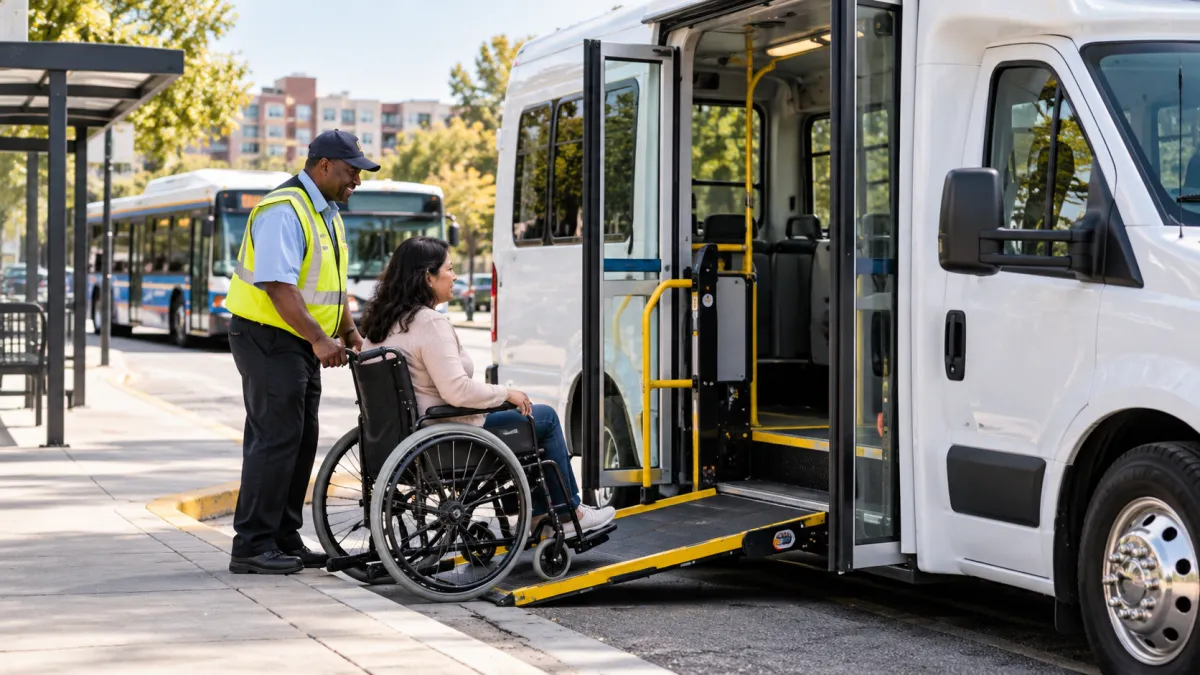
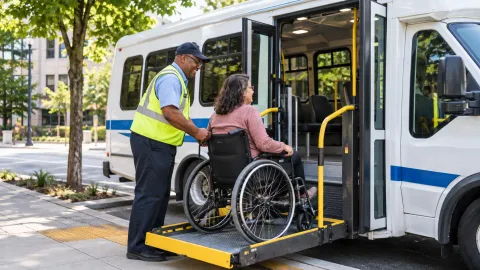
Paratransit is a transportation service designed to help people with disabilities who cannot use fixed-route public transportation under certain circumstances. In the United States, ADA complementary paratransit is part of the public transportation system covered by the Americans with Disabilities Act (ADA).
Unlike a regular bus or train that follows a fixed route and schedule, paratransit generally provides more flexible transportation for eligible riders. But having a disability does not automatically mean someone qualifies. Eligibility is based on a person's functional ability to use the applicable fixed-route transit service.
The application process, eligibility assessment, service area, reservation procedure, and local operating details can vary by transit agency. Federal ADA rules establish the underlying requirements, while local transit providers handle the practical process.
What Is Paratransit?
Paratransit is a specialized public transportation service for people with disabilities who are unable to use accessible fixed-route transit in certain circumstances.
Fixed-route transportation includes regular public buses, trains, and other transit services that operate along established routes and schedules. Paratransit is designed to complement those services rather than simply replace them for everyone with a disability.
For example, imagine a person who can normally use an accessible city bus but cannot reach a particular bus stop because a disability prevents them from traveling to or from the stop independently. Depending on the circumstances and the person's eligibility determination, ADA paratransit may provide an alternative for that trip.
This distinction is important: ADA paratransit eligibility is generally connected to a person's ability to use fixed-route transit, not simply to whether the person has a medical diagnosis or disability.
Paratransit can be particularly important for people who need accessible transportation for work, medical appointments, shopping, education, family responsibilities, or other everyday activities.
How Is Paratransit Different From Regular Public Transportation?
The biggest difference is how the service operates.
| Fixed-route public transportation | ADA complementary paratransit |
|---|---|
| Follows established routes | Provides service for eligible riders under ADA paratransit requirements |
| Operates according to published schedules | Uses a reservation-based service model |
| Riders generally go to designated stops or stations | Service generally provides more direct origin-to-destination transportation |
| Available to the general public | Intended for people who meet applicable ADA paratransit eligibility requirements |
| Service is based on the fixed-route transit network | Service is connected to the fixed-route transit system and applicable service-area requirements |
Paratransit is therefore not simply a private transportation service or a general alternative to buses and trains. It is a federally regulated component of public transportation for eligible individuals.
The exact vehicle, booking system, operating hours, and local procedures depend on the transit agency.
Who May Qualify for ADA Paratransit?
The key question is not simply whether someone has a disability.
ADA paratransit eligibility focuses on whether a person can use the applicable fixed-route public transportation system because of a disability.
Federal regulations identify specific categories of eligibility. In general, a person may qualify when a disability prevents them from using fixed-route transportation under applicable circumstances.
This can include situations involving:
-
A physical or mental disability that prevents the person from using fixed-route transportation.
-
A disability that prevents the person from reaching or using a particular accessible transit stop or station under applicable circumstances.
-
A disability that prevents the person from using fixed-route transportation for a particular trip or under particular conditions.
The practical result is that two people with similar diagnoses could potentially have different eligibility determinations if their functional abilities and transportation circumstances are different.
A Disability Does Not Automatically Mean Paratransit Eligibility
This is one of the most important points to understand before applying.
Someone may have a significant disability and still be able to use accessible fixed-route transportation for some trips. Conversely, a person may have limitations that make fixed-route transportation unavailable to them under particular circumstances.
The ADA paratransit eligibility process is therefore focused on functional transportation ability, rather than treating a diagnosis as an automatic qualification.
A person should not assume they are ineligible simply because they can use a bus sometimes, either. Eligibility can be conditional, meaning the circumstances surrounding a trip can matter.
Can Paratransit Eligibility Be Conditional?
Yes.
Paratransit eligibility does not always have to be an unrestricted approval for every possible trip.
A person may be able to use fixed-route transportation under certain conditions but need paratransit under other circumstances. For example, an individual's eligibility could depend on factors such as the nature of the trip, environmental conditions, accessibility, or functional limitations.
This means the important question is not always:
"Can this person ever ride a bus?"
Instead, the eligibility process considers whether the person can use the applicable fixed-route transportation service under the circumstances covered by the ADA rules.
This distinction can help explain why an eligibility determination may include conditions or limitations rather than simply saying that a person is either completely eligible or completely ineligible.
How Is ADA Paratransit Eligibility Determined?
Each covered transit entity must establish an ADA paratransit eligibility process.
The process is intended to determine whether an individual meets the federal eligibility requirements. Local agencies can establish practical procedures for collecting information and conducting assessments, as long as their process follows the applicable ADA requirements.
Depending on the transit agency, the process may involve:
-
Completing an application.
-
Providing information about the individual's transportation limitations.
-
Participating in an interview or functional assessment.
-
Providing additional information when requested as part of the agency's eligibility process.
-
Receiving a written eligibility determination.
The important point is that eligibility is not supposed to be based solely on a medical diagnosis.
A transit agency may use information from a medical professional or another qualified source as part of its process, but local documentation requirements can vary. There is not one universal doctor's-note procedure that applies identically to every applicant nationwide.
Do You Need a Doctor's Note to Apply?
There is no single nationwide rule saying that every person applying for ADA paratransit must provide a doctor's note.
Local transit agencies establish the details of their eligibility procedures within the federal framework. Some agencies may request information from a medical or other qualified professional as part of an assessment, while others may use different methods to evaluate functional transportation ability.
That means applicants should avoid relying on advice based on another city's application process.
The best approach is to obtain the current application and eligibility instructions from the transit agency that provides paratransit in your area.
A medical diagnosis by itself also does not automatically establish ADA paratransit eligibility. The central issue remains the person's ability to use the applicable fixed-route public transportation service.
How to Apply for Paratransit
The exact application process depends on the local transit agency, but the general process follows a recognizable pattern.
1. Find Your Local Paratransit Provider
Start by identifying the public transportation agency that provides ADA complementary paratransit in your area.
Look for the agency's current paratransit eligibility page or application instructions. The provider should explain how to request an application and what steps are required.
Do not assume that an application from another city will work for your local provider.
2. Complete the Application
The application generally asks about the individual's disability and how it affects their ability to use fixed-route transportation.
Answer the questions based on actual transportation limitations rather than simply listing a diagnosis.
Useful information can include the circumstances under which the person cannot use fixed-route transportation, the types of barriers they encounter, and whether those limitations apply to particular trips or conditions.
3. Complete Any Required Assessment
Depending on the local process, the transit agency may conduct an interview, functional assessment, or other evaluation.
The purpose is to understand how the applicant's disability affects their ability to use fixed-route transportation.
Local agencies can have different assessment procedures, so the details should come directly from the provider handling the application.
4. Receive the Eligibility Decision
The transit agency must provide the eligibility determination in writing.
If the agency determines that an applicant is not eligible, the determination must explain the reasons for the decision.
The documentation can also identify conditions or limitations when eligibility is conditional.
What Happens After You Submit a Complete Application?
The federal ADA regulations include an important protection for applicants.
If an eligibility determination has not been made within 21 days after submission of a complete application, the applicant must be treated as eligible and provided paratransit service until the transit entity makes a determination.
The word complete matters.
The 21-day rule should not be interpreted as meaning that every person will finish the entire application and assessment process within exactly 21 days. The federal rule addresses what happens when a covered entity has not made an eligibility determination within 21 days after receiving a complete application.
This is also why applicants should follow their local agency's instructions carefully and make sure they understand what the agency requires to complete the application process.
What Happens If Your Application Is Denied?
An ineligibility decision is not necessarily the end of the process.
Under the ADA framework, the eligibility determination must be provided in writing and explain the reasons for an ineligibility decision.
Transit entities must also have an administrative appeal process.
An appeal gives the applicant an opportunity to challenge the determination and present information or arguments relevant to eligibility. The appeal process and procedures can vary by transit agency, so applicants should follow the instructions included with the written determination.
If you receive a denial, read the decision carefully rather than simply submitting the same application again. Pay attention to the stated reason for the decision and the instructions for appealing it.
Where Does ADA Paratransit Service Operate?
Being eligible for ADA paratransit does not mean that every possible trip is automatically covered.
ADA complementary paratransit has federal service-area requirements connected to the fixed-route public transportation system. In general, the required service area is tied to corridors within three-fourths of a mile of applicable fixed routes, subject to the federal regulatory framework.
The service-area concept is important because eligibility and trip coverage are not the same thing.
You can be an eligible paratransit rider while still needing to determine whether a particular trip falls within the applicable service area and service requirements.
Local transit agencies can provide the most useful information for determining whether a specific origin and destination are covered.
How Do Paratransit Reservations Work?
ADA paratransit is generally a reservation-based service rather than a transportation system that operates exactly like a regular bus route.
Federal ADA requirements establish standards concerning reservations and service response. However, the actual booking process varies between transit agencies.
Depending on the provider, riders may need to use a phone system, online reservation system, mobile service, or another approved booking method.
Before relying on a particular reservation procedure, check the current instructions from your local transit agency.
This is especially important when planning an appointment or other trip with a specific arrival time. Local agencies can have their own procedures for scheduling, cancellations, pickup windows, and other operational details.
Can Visitors Use ADA Paratransit in Another City?
Yes, federal ADA rules include protections for qualifying visitors.
A person who is eligible for ADA paratransit in their home jurisdiction can generally use complementary paratransit when visiting another jurisdiction covered by the applicable requirements.
The federal visitor provision provides service for any combination of 21 days during a 365-day period, beginning with the visitor's first use during that period.
A visitor may be able to establish eligibility by presenting documentation from their home jurisdiction. When that documentation is not available, the local provider may have procedures for establishing the visitor's eligibility under the federal rules.
The important distinction is between the federal right to visitor service and the local process used to arrange that service.
Before traveling, contact the destination transit agency and check its current visitor instructions. That can help prevent problems with documentation, reservations, pickup locations, or other local procedures.
What Information Should You Check Before Your First Ride?
Once you have been determined eligible, understanding the local operating rules can make the service easier to use.
Before scheduling a trip, check:
-
How far in advance reservations can be made.
-
How reservations are submitted.
-
The service area's boundaries.
-
Pickup and drop-off procedures.
-
Expected pickup windows.
-
Cancellation procedures.
-
Hours and days of service.
-
Fare information.
-
Rules for mobility devices and other rider needs.
-
Procedures for visitors, if you are traveling outside your home service area.
These details are operational rather than a replacement for the federal eligibility rules. They can vary by transit provider.
Paratransit Is Different From Other Transportation Options
People sometimes use the word "paratransit" broadly to describe any transportation service designed for people with disabilities. ADA complementary paratransit has a more specific meaning within the federal public transportation framework.
That distinction matters when comparing transportation options.
A local agency may also operate other programs, demand-response services, senior transportation, Medicaid transportation, community transportation, or other specialized services. Those programs can have different eligibility requirements, funding sources, service areas, and reservation rules.
If you are researching transportation options, make sure you know whether you are applying for ADA complementary paratransit or another local transportation program.
This can prevent confusion when different programs have similar names but serve different purposes.
How Paratransit Fits Into Your Transportation Choices
For eligible riders, paratransit can be an important part of a broader transportation plan.
The right option can depend on the individual trip. Someone might use fixed-route transit for one journey, paratransit for another, and another transportation option when neither service is practical.
Transportation costs can also matter when evaluating different ways to travel. If you are comparing the broader financial impact of commuting, you can also see KnowBrook's guide on how much a commute really costs.
For people considering where to live, transportation access can also be one factor alongside housing costs, commute needs, and other location considerations. KnowBrook's guide explains how to compare transportation costs when choosing where to live.
The goal is not to assume one transportation option is best for everyone. It is to understand which services may be available and how their eligibility and operating rules apply to your circumstances.
What to Do Before Applying for Paratransit
A little preparation can make the application process easier.
Start by identifying the local transit agency responsible for ADA paratransit in your area. Read its current eligibility instructions carefully and determine what information it asks applicants to provide.
When completing the application, focus on how your disability affects your ability to use fixed-route transportation. Think about the actual transportation barriers you experience rather than relying only on a medical label.
It can also help to understand the difference between:
-
Having a disability.
-
Being unable to use fixed-route transportation under applicable circumstances.
-
Being determined eligible for ADA complementary paratransit.
-
Having a particular trip covered by the applicable service requirements.
-
Being able to reserve a ride at a particular time.
Those are related questions, but they are not identical.
If you are denied eligibility, review the written reasons and follow the agency's appeal process. If you are already eligible and plan to travel to another city, check the destination agency's visitor procedures before your trip.
Conclusion
ADA paratransit is a federally regulated public transportation service intended to complement fixed-route transit for people whose disabilities prevent them from using fixed-route transportation under applicable circumstances.
The most important point is that having a disability does not automatically establish eligibility. The eligibility process focuses on functional transportation limitations, and eligibility can be conditional depending on the circumstances.
If you are considering applying, start with your local transit agency's current application and eligibility instructions. Complete the required process, understand the federal 21-day protection for complete applications, and review the written determination you receive.
Once eligible, remember that eligibility does not automatically mean every trip is covered. Service-area requirements, reservations, operating procedures, and visitor rules can affect how the service works in practice.
Understanding those distinctions can make it easier to determine whether ADA paratransit is an appropriate transportation option for your particular needs.
Frequently asked questions
Does having a disability automatically qualify you for paratransit?
Having a disability does not automatically establish ADA paratransit eligibility. Eligibility is based on whether a person's functional limitations prevent them from using fixed-route public transportation under the circumstances covered by the ADA rules.
Do I need a doctor's note to apply for paratransit?
There is no single nationwide doctor's-note requirement that applies to every applicant. Local transit agencies establish their eligibility procedures within the federal ADA framework, and some may use information from a medical or other qualified professional as part of the process. A medical diagnosis alone does not determine eligibility.
Can I qualify for paratransit for some trips but not others?
Yes. ADA paratransit eligibility can be conditional. A person may be able to use fixed-route transit for some trips or under some conditions but need complementary paratransit for others, depending on the circumstances covered by the eligibility determination.
How long does paratransit eligibility take?
The federal rule provides that if an eligibility determination has not been made within 21 days after a complete application is submitted, the applicant must be treated as eligible and provided service until a determination is made. Local agencies may have different steps for completing and assessing an application.
What happens if my paratransit application is denied?
The eligibility determination must be provided in writing and explain the reasons for an ineligibility decision. ADA-covered transit entities must also have an administrative appeal process that gives applicants an opportunity to present information and arguments.
Can visitors use ADA paratransit in another city?
Yes. Federal ADA rules provide for paratransit service to qualifying visitors. The federal visitor provision generally covers any combination of 21 days of service during a 365-day period, while local transit agencies may have their own procedures for arranging or verifying visitor service.
How far in advance do you have to reserve a paratransit ride?
ADA rules include federal requirements concerning advance reservations and service response, but the actual reservation method and local booking details vary by transit agency. Riders should check the current instructions from the local paratransit provider.

Olivia Bennett writes practical automotive content covering car buying, ownership costs, maintenance, vehicle features, reliability, and everyday driving decisions. Her work focuses on helping readers understand automoti...