How to Avoid Yo-Yo Financing After Buying a Car
Learn what spot delivery and conditional financing mean, how to tell whether your car financing is final, what to check before driving away, and what to do if a dealer later says financing fell through.
In this article
- What Is Spot Delivery When Buying a Car?
- What Does Conditional Financing Mean?
- Spot Delivery vs. Yo-Yo Financing
- Why Would a Dealer Let You Take the Car Home Before Financing Is Final?
- How to Tell Whether Your Car Financing Is Actually Final
- Review the Financing Documents
- Identify the Creditor
- Look for Conditional Language
- What to Check Before You Drive Away
- 1. Confirm the Purchase Price
- 2. Confirm the APR
- 3. Confirm the Loan Term
- 4. Confirm the Amount Financed
- 5. Ask Whether Anything Is Still Pending
- 6. Get Copies of Everything
- What Happens If the Dealer Calls and Says Your Financing Fell Through?
- Do Not Treat a New Offer as Automatically Binding
- Can the Dealer Change the Interest Rate or Down Payment?
- What Happens to Your Trade-In and Down Payment?
- How Preapproval Can Reduce the Risk
- Why You Should Compare Total Financing Cost
- Spot-Delivery Rules Can Differ by State
- What to Do If You Are Pressured to Sign New Financing
- When to Contact a Consumer Protection Agency or Attorney
- How to Reduce the Risk Before Buying
- What Documents Should You Keep?
- Spot Delivery and Yo-Yo Financing: What Car Buyers Should Remember
- Conclusion

You sign the paperwork, hand over your down payment, receive the keys, and drive your new car home. Then, days later, the dealership calls and says there is a problem with your financing. The dealer says the lender will not approve the original terms and asks you to come back to sign a new agreement—possibly with a higher interest rate, larger down payment, or longer loan term.
This situation can happen when a vehicle is delivered before the financing is fully finalized. The practice is commonly called spot delivery or conditional financing. If the dealer later tries to change the financing after you have taken the vehicle home, consumers often refer to the situation as yo-yo financing.
Spot delivery is not automatically a scam or illegal. The important questions are whether the financing was actually final, whether the transaction was disclosed as conditional, what your signed documents say, and what laws apply to your transaction.
The safest approach is to understand the financing before you drive away, keep copies of everything you sign, and avoid automatically agreeing to new terms if a dealer later says your financing fell through.
What Is Spot Delivery When Buying a Car?
Spot delivery occurs when a dealer lets you take possession of a vehicle before the auto financing has been fully finalized or approved by the lender.
For example, imagine you find a vehicle at a dealership and agree on a price. You complete a credit application, sign several documents, make a down payment, and receive the keys. The dealership tells you that everything is approved and you drive home.
But behind the scenes, the financing may not yet be completely finalized.
A dealer may submit your financing application to a bank, credit union, or finance company after you have already left with the vehicle. If that lender does not accept the proposed transaction under the original terms, the dealer may contact you and ask you to renegotiate.
The Consumer Financial Protection Bureau describes this type of arrangement as spot delivery or conditional financing when a consumer takes a vehicle home before the loan has been finalized or fully approved.
That distinction matters because having possession of the car is not necessarily the same thing as having completely final financing.
What Does Conditional Financing Mean?
Conditional financing means the transaction may depend on financing being approved or finalized under conditions described in the documents you signed.
The exact effect of those conditions depends on the agreement and applicable law. Some contracts may contain provisions addressing what happens if the dealer cannot obtain financing under the proposed terms.
That is why a buyer should not assume either of these statements is always true:
-
“I drove the car home, so the financing must be final.”
-
“The dealer called me back, so I automatically have to accept the new loan.”
The documents and circumstances matter.
Spot Delivery vs. Yo-Yo Financing
The two terms are related, but they are not identical.
Spot delivery describes the delivery arrangement. You receive the vehicle before the financing is fully finalized.
Yo-yo financing generally describes what happens when the dealer later contacts you and says the original financing did not go through or must be changed.
For example:
| Situation | What it means |
|---|---|
| You take the vehicle home while financing is still conditional | Spot delivery / conditional financing |
| Dealer later says the original financing was not approved | Financing problem after delivery |
| Dealer asks you to accept a higher APR or larger down payment | Proposed new financing terms |
| Dealer pressures you to sign a replacement agreement | Potential yo-yo financing situation |
Not every conditional financing arrangement leads to a dispute. But understanding the difference helps you recognize why a dealer might contact you after you have already taken the vehicle home.
Why Would a Dealer Let You Take the Car Home Before Financing Is Final?
Dealership financing usually involves a dealer collecting your information and working with one or more banks, credit unions, or finance companies. The dealer may arrange financing rather than lending its own money directly.
The process can make the transaction feel complete even when additional financing steps remain.
A buyer may have:
-
Signed a purchase agreement
-
Signed a credit application
-
Signed financing documents
-
Made a down payment
-
Provided proof of insurance
-
Received the keys
-
Driven the vehicle home
Those events can create the impression that nothing can change.
But the critical question is not simply whether you have the keys. It is whether the financing and sale are actually final under the documents governing your transaction.
The CFPB specifically advises consumers to make sure financing is final before taking the vehicle home.
This is one reason it is useful to ask direct questions before signing:
Is the financing fully approved and final?
Is anything still pending with a lender?
Are there any conditions that could change the financing after I leave?
If financing is not approved, what happens to the transaction?
Ask for important answers in writing rather than relying only on a verbal explanation.
How to Tell Whether Your Car Financing Is Actually Final
There is no single statement that can answer this question for every vehicle purchase.
Instead, look at the complete transaction.
Review the Financing Documents
Read the documents you are asked to sign before leaving the dealership.
Pay particular attention to:
-
The lender or creditor
-
APR
-
Amount financed
-
Finance charge
-
Number of payments
-
Payment amount
-
Loan term
-
Down payment
-
Purchase price
-
Trade-in information
-
Any conditions related to financing approval
-
Language describing whether the transaction is conditional
The CFPB recommends checking the interest rate and loan terms, completing the paperwork, making sure blanks are filled in, and receiving copies of everything you signed before leaving.
Do not assume that a salesperson's statement that you are “approved” answers every question about whether the transaction is final.
Identify the Creditor
Know who is actually providing or purchasing the financing.
With dealer-arranged financing, the dealer may work with a bank, credit union, or finance company. The dealer generally collects your information and sends it to lenders that may offer financing terms.
Knowing the creditor can become especially important if the dealer later says your financing did not go through.
Look for Conditional Language
Do not skim past provisions that discuss financing approval or conditions of the transaction.
If the paperwork says the financing is conditional, ask the dealer to explain exactly what remains unresolved.
You should understand:
-
What has already been approved.
-
What remains subject to approval.
-
Who must approve it.
-
What happens if approval is denied.
-
Whether the terms can change.
-
What happens to your down payment and trade-in if the transaction is unwound.
If you cannot determine whether the financing is final, consider getting clarification before taking the vehicle home.
What to Check Before You Drive Away
The easiest time to deal with a conditional-financing problem is before you leave the dealership.
The Federal Trade Commission recommends asking whether financing terms are final and fully approved before you sign and leave with the vehicle. It also recommends leaving with a signed copy of the completed credit contract or lease agreement and carefully reviewing any changes if the dealership later says financing was not final.
Use this checklist before driving away.
1. Confirm the Purchase Price
Make sure the price in the final documents matches the deal you agreed to.
Compare the documents with any written pricing information you received earlier.
2. Confirm the APR
Do not focus only on the monthly payment.
A lower payment can result from a longer loan term, while a higher APR can increase the overall cost of financing.
3. Confirm the Loan Term
Check the number of months you will be making payments.
A longer term can reduce the monthly payment but increase the amount of interest paid over the life of the loan.
4. Confirm the Amount Financed
Check how much you are actually borrowing after accounting for your down payment, trade-in, taxes, fees, and any products included in the transaction.
5. Ask Whether Anything Is Still Pending
This is especially important if the dealership tells you that financing is still being processed.
If approval is not final, ask what that means for the transaction.
6. Get Copies of Everything
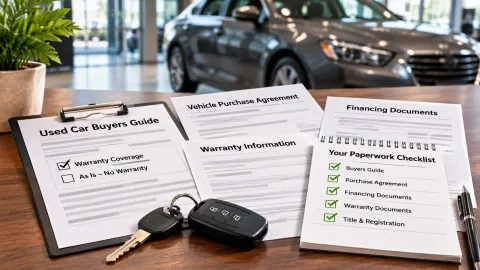
Keep copies of your signed financing agreement, purchase documents, receipts, trade-in paperwork, and any conditional-delivery documents.
Also keep important texts, emails, and other communications with the dealer.
A complete record can make it much easier to understand what happened if the dealer later disputes the terms.
What Happens If the Dealer Calls and Says Your Financing Fell Through?
A call from the dealer can be stressful, particularly if you have already started driving the vehicle.
Do not immediately agree to new terms simply because the dealer says the original financing was rejected.
Start by asking the dealer to explain the situation.
Find out:
-
Which lender rejected or changed the financing?
-
What part of the original transaction is supposedly not final?
-
What new terms are being proposed?
-
Is the dealer asking for a higher APR?
-
Is the dealer asking for more money down?
-
Is the loan term changing?
-
Is the monthly payment changing?
-
What does the original agreement say about financing?
-
What happens to the vehicle if you reject the proposed terms?
Ask for the proposed changes in writing.
Then compare them with the documents you originally signed.
The CFPB warns that consumers who take a vehicle home before financing is finalized may later be told that they can only receive financing with a higher interest rate, longer term, larger down payment, or combination of those changes.
Do Not Treat a New Offer as Automatically Binding
A dealer's request to sign new paperwork does not by itself tell you what your legal obligations are.
The answer can depend on the original agreement, whether the financing was conditional, what the dealer disclosed, the circumstances of the transaction, and applicable state law.
If the dealer wants you to sign a replacement loan, slow down.
You can ask for time to review the proposed documents and compare them with your original paperwork.
If you do not understand the documents, consider getting qualified legal or consumer-protection assistance before agreeing to new terms.
Can the Dealer Change the Interest Rate or Down Payment?
A dealer may contact a buyer after delivery and propose different financing terms when the original financing was not final or did not receive the expected approval.
That does not mean every dealer can simply change the deal whenever it wants.
The CFPB explains that some auto loan contracts or separate agreements contain provisions allowing the dealer to renegotiate when financing has not been finalized. The actual contract and disclosures therefore matter.
Suppose your original paperwork showed:
-
A particular APR
-
A specific loan term
-
A certain down payment
-
A specific monthly payment
The dealer later says the lender will only approve the transaction with a higher APR and a larger down payment.
Before signing anything new, compare both agreements carefully.
A change in APR can substantially affect the total cost of the vehicle. A longer term may lower the monthly payment while increasing the amount of interest paid over time.
Do not evaluate the replacement deal solely by asking whether you can afford the new monthly payment.
Look at the entire financing arrangement.
What Happens to Your Trade-In and Down Payment?
A financing problem can become more complicated when your old vehicle was traded in as part of the transaction.
Your trade-in may already have been transferred, advertised for sale, or otherwise processed by the dealer. If you still owed money on the trade-in, there may also be a loan payoff involved.
If financing falls through, do not assume that the trade-in or down payment will automatically be handled in one particular way nationwide.
The result can depend on the transaction documents and applicable state law.
Before agreeing to unwind or replace the transaction, determine:
-
What happened to your trade-in?
-
Has the dealer transferred or sold it?
-
Has your previous lender been paid off?
-
Was the title transferred?
-
Where is your down payment?
-
What does the purchase agreement say?
-
What does the financing agreement say?
-
What does any conditional-delivery agreement say?
The FTC advises consumers who do not want to accept a new financing deal to tell the dealer they want to cancel and ask for their down payment and trade-in back, while also obtaining written confirmation that the application and contract were canceled. The specific rights and procedures can depend on the transaction and applicable law.
That makes written documentation particularly important.
How Preapproval Can Reduce the Risk
One practical way to reduce your reliance on dealer-arranged financing is to obtain financing offers before you shop for the vehicle.
A bank, credit union, or other lender may provide a preapproval or financing offer that gives you a point of comparison for the dealer's financing.
The FTC recommends considering preapproval before working with a dealership's financing office. A preapproval can help you compare the dealer's offer with another financing option.
The CFPB similarly recommends shopping among lenders and comparing financing offers before or during the car-buying process.
But preapproval should not be treated as a guarantee that every part of your vehicle purchase is final.
A preapproval can reduce your reliance on conditional dealer financing and may reduce the risk of a yo-yo financing situation. You should still review the purchase and financing documents carefully.
For example, a buyer might have a preapproval from a credit union and then ask the dealer whether it can offer a better financing deal.
If the dealer provides a better offer, the buyer can compare:
-
APR
-
Loan term
-
Amount financed
-
Monthly payment
-
Total financing cost
-
Required down payment
-
Other conditions
The goal is to know your alternatives before you are sitting in the dealership's finance office.
Why You Should Compare Total Financing Cost
Yo-yo financing discussions often focus on the monthly payment because that is the number most buyers notice.
But a change in monthly payment can hide important changes elsewhere in the loan.
Consider a hypothetical situation in which a dealer proposes a replacement loan with a lower monthly payment but a longer repayment period.
That does not necessarily make the new offer better.
A longer loan can mean more interest paid over the life of the loan. Similarly, an increase in the APR can raise the total cost even if the monthly payment does not appear dramatically different.
When comparing the original and proposed agreements, look at the entire transaction rather than one number.
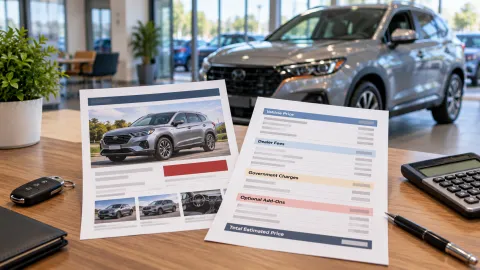
At minimum, compare:
| Financing detail | Why it matters |
|---|---|
| APR | Affects the cost of borrowing |
| Loan term | Determines how long you make payments and can affect total interest |
| Amount financed | Shows how much you are borrowing |
| Down payment | Changes the amount financed |
| Monthly payment | Shows the recurring payment obligation |
| Finance charge | Shows the dollar cost of credit |
| Total payments | Helps reveal the overall financing cost |
The FTC recommends comparing financing offers based on the APR, loan term, amount financed, and total cost rather than focusing only on the monthly payment.
Spot-Delivery Rules Can Differ by State
There is no single nationwide rule that answers every question about conditional vehicle delivery.
State laws and consumer-protection requirements can differ, and the wording of the transaction documents can also affect the outcome.
That means you should be cautious about online advice that says a dealer “always” has to take the vehicle back, “never” can change the financing, or that every buyer has a particular cancellation period.
Those statements may not apply to every transaction.
The federal agencies provide consumer guidance, but state attorneys general and state consumer-protection offices can also be important resources when a dispute involves state-specific requirements. The CFPB specifically points consumers toward their state attorney general or state consumer-protection office when dealing with a yo-yo financing problem.
If you are dealing with a dispute, check the rules that apply where the transaction occurred and review the actual documents you signed.
What to Do If You Are Pressured to Sign New Financing
Pressure is a reason to slow the process down, not speed it up.
If a dealer says you must immediately sign a new agreement, ask for copies of the proposed documents and compare them with your original paperwork.
You can ask:
-
Why was the original financing not finalized?
-
Which lender made the decision?
-
What changed?
-
What are the new APR and loan term?
-
What is the new amount financed?
-
How much additional money is required?
-
What happens if I do not accept the new financing?
-
What happens to my trade-in?
-
What happens to my down payment?
-
Can you provide the explanation and proposed terms in writing?
Do not let the fact that you have already driven the car home force you into making a rushed financial decision.
If the dispute becomes serious, consider contacting the appropriate consumer-protection agency or obtaining legal advice.
When to Contact a Consumer Protection Agency or Attorney
A financing dispute may warrant additional help when the dealer's explanation conflicts with the documents or when you believe important conditions were not disclosed.
Consider seeking assistance if:
-
The dealer refuses to provide copies of documents.
-
The dealer's explanation conflicts with the written agreement.
-
You are pressured to sign substantially different financing.
-
The dealer refuses to explain why the financing changed.
-
Your trade-in is being withheld or its status is unclear.
-
Your down payment is being disputed.
-
You believe the dealer misrepresented whether financing was final.
-
You are unsure about your rights under your state's law.
The CFPB says consumers can submit complaints about certain auto-financing problems, while the FTC and state attorney general or consumer-protection offices can also be relevant depending on the circumstances.
If the situation involves a substantial amount of money or a complicated contract dispute, a qualified attorney may be able to explain how the applicable law affects your specific transaction.
How to Reduce the Risk Before Buying
The strongest protection against a financing surprise is preparation before you sign.
Start by comparing financing options from banks, credit unions, and other lenders.
Then negotiate the vehicle purchase separately from the financing when possible. Knowing your financing alternative makes it easier to recognize whether the dealer's offer is actually competitive.
Before leaving the dealership:
-
Confirm the final purchase price.
-
Review the APR.
-
Review the loan term.
-
Check the amount financed.
-
Confirm the down payment.
-
Review trade-in information.
-
Ask whether financing is fully approved.
-
Ask whether any conditions remain.
-
Read the financing and purchase documents.
-
Make sure required fields are completed.
-
Get copies of everything you sign.
The FTC specifically recommends asking whether financing terms are final and fully approved before signing and leaving with the vehicle.
This process may take a little longer at the dealership, but it can help prevent a confusing financing dispute after you leave.
What Documents Should You Keep?
Keep the complete record of the transaction in one place.
Important documents can include:
-
Retail installment contract or other financing agreement
-
Buyer's order or purchase agreement
-
Conditional-financing or delivery paperwork
-
Down-payment receipt
-
Trade-in documents
-
Proof of insurance
-
Vehicle purchase documents
-
Lender information
-
Written financing offers
-
Emails and text messages with the dealer
-
Written explanations of any financing changes
-
Copies of any replacement agreements
Do not rely on the dealership to maintain the only copy of your paperwork.
If a financing dispute arises later, having the original documents and communications can help you establish what you were told and what you actually agreed to.
Spot Delivery and Yo-Yo Financing: What Car Buyers Should Remember
Spot delivery becomes important when a dealership lets you take a vehicle home before the financing is fully finalized. Yo-yo financing refers to the type of problem that can arise when the dealer later says the original financing did not go through or proposes different terms.
The most important step is to determine whether the financing is actually final before you drive away.
Do not rely solely on a salesperson saying that you are “approved.” Review the documents, identify the lender, look for conditional language, and make sure you receive copies of everything you sign.
If the dealer later says the financing fell through, do not automatically accept a higher rate, larger down payment, longer loan, or other replacement terms. Ask for the proposed changes in writing and compare them with the original agreement.
Your trade-in and down payment also deserve careful attention if the transaction is being changed or unwound.
Getting preapproved can give you another financing option and reduce your dependence on conditional dealer financing, but it does not guarantee that every part of a vehicle purchase is final.
Finally, remember that state laws can differ. If a dispute develops, review your documents and use the appropriate federal or state consumer-protection resources for your situation.
Conclusion
A car purchase should not become a financial guessing game after you drive away from the dealership. The key issue with spot delivery is whether the financing was actually final when you took possession of the vehicle.
Before leaving, verify the financing terms, ask whether anything remains conditional, complete the paperwork, and keep copies of every important document. If a dealer later says the financing fell through, slow down and review the original agreement before signing a replacement loan.
A preapproval from a bank or credit union can give you a useful alternative to dealer-arranged financing, while careful document review can help you understand what you actually agreed to.
If a dispute arises, do not assume that a nationwide rule automatically determines the outcome. The contract, circumstances of the transaction, and applicable state law all matter.
Frequently asked questions
Is every spot delivery a scam?
Spot delivery is not automatically a scam or illegal. The important issues are whether the financing was disclosed as conditional, what the signed documents say, what the dealer represented, and what laws apply to the transaction.
How can I tell if my car financing is final?
Review the signed financing documents, identify the lender or creditor, and check whether the agreement contains conditions related to financing approval. Do not rely only on a verbal statement that you are “approved” or on the fact that you have already taken the vehicle home.
What should I do if a dealer calls and says my financing fell through?
Ask the dealer to provide the situation and any proposed new terms in writing. Review your original signed documents, identify the lender, compare the original and proposed terms, and do not automatically agree to a new financing arrangement before understanding what the original agreement says.
Can a dealer make me sign a new loan after I already bought the car?
The answer can depend on the original agreement, whether the financing was conditional, the circumstances of the transaction, and applicable state law. Do not assume that the dealer automatically can require new terms or that you automatically have unrestricted rights to keep the vehicle under the original terms.
What happens to my trade-in if financing falls through?
The treatment of a trade-in can depend on the transaction documents and applicable state law. Before agreeing to unwind or change the transaction, determine the status of the trade-in, any remaining loan payoff, title transfer, and related paperwork.
Can getting preapproved prevent yo-yo financing?
Getting preapproved can reduce your reliance on conditional dealer financing and may reduce the risk of a yo-yo financing situation, but it does not by itself guarantee that every vehicle transaction is final. You should still review the purchase and financing documents carefully.
Does spot-delivery law vary by state?
Yes. State laws and requirements can differ, so a rule that applies in one state should not automatically be treated as a nationwide rule. When a dispute arises, buyers should check the laws and consumer-protection resources for their state.
What documents should I keep after a conditional car purchase?
1. Keep copies of the signed financing and purchase documents, buyer's order, conditional-financing or delivery documents, receipts, trade-in paperwork, and relevant communications. Having the complete transaction record can be important if the dealer later disputes the financing terms.

Olivia Bennett writes practical automotive content covering car buying, ownership costs, maintenance, vehicle features, reliability, and everyday driving decisions. Her work focuses on helping readers understand automoti...