What Is a VIN Number?
A VIN is a unique 17-character identifier used to identify a vehicle. Learn what a VIN tells you, where to find it, and how to decode it.
In this article
- What does VIN stand for?
- What does a VIN number tell you?
- Why is a VIN important?
- Where can you find a VIN?
- How to read a VIN
- What is a VIN decoder?
- VIN vs. license plate number
- Common VIN mistakes
- What to check with your state DMV or vehicle manufacturer
- What to know before using a VIN
- Frequently asked questions about VIN numbers
- Is a VIN always 17 characters?
- Where is the VIN on a car?
- Can I decode a VIN for free?
- What is the ninth character of a VIN?
- Is a VIN the same as a license plate number?
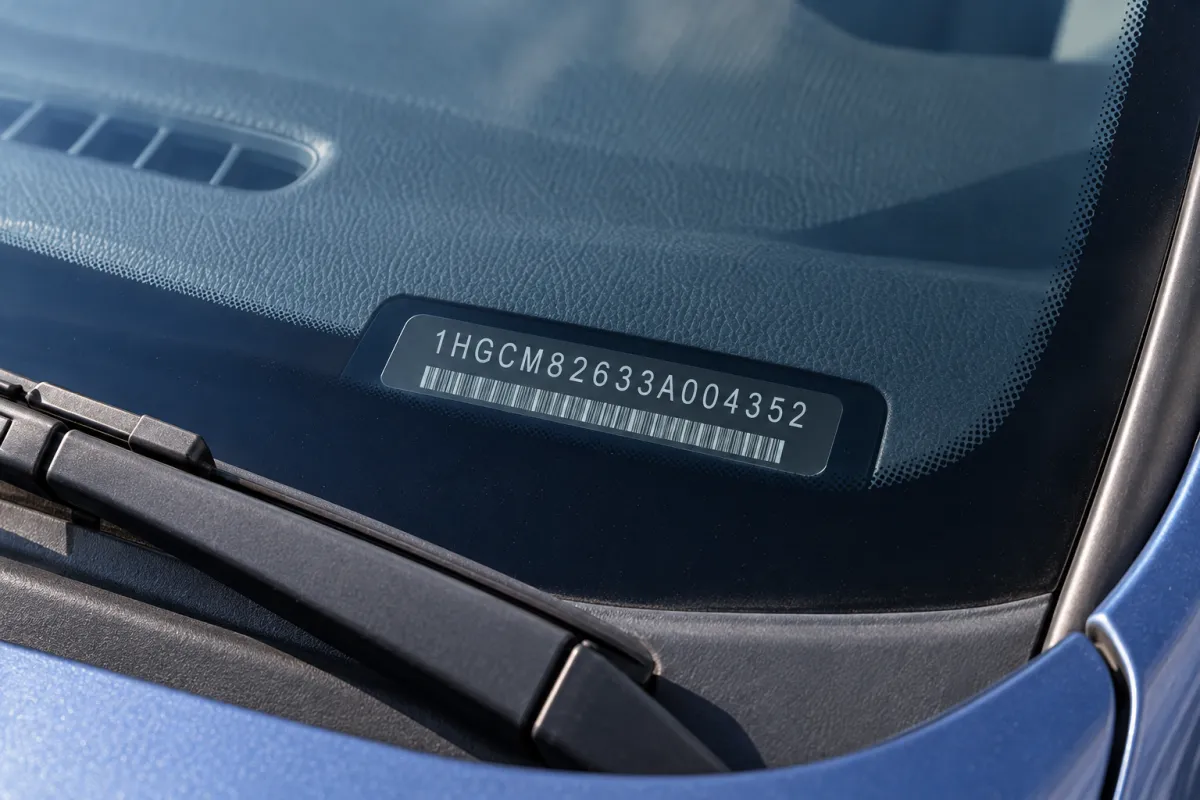
A VIN, or Vehicle Identification Number, is a unique 17-character identifier assigned to a vehicle. It can identify a particular vehicle and contains coded information about the vehicle, including information reported by its manufacturer.
In the United States, most vehicles manufactured for on-road use have a 17-character VIN. You can use the VIN to identify a vehicle and look up information about it through tools such as the National Highway Traffic Safety Administration's VIN decoder.
What does VIN stand for?
VIN stands for Vehicle Identification Number. People often say "VIN number," even though the word "number" is already included in the abbreviation.
A VIN is made up of letters and numbers. For vehicles covered by the current federal VIN requirements, the VIN has 17 characters. The VIN is assigned by the vehicle manufacturer and is used to identify the specific vehicle.
What does a VIN number tell you?
The characters in a VIN are not random. Different parts of the VIN provide information about the vehicle and its production.
The exact information represented by a character depends on its position and the manufacturer's VIN system. The VIN can include information used to identify the manufacturer, vehicle characteristics, model year, manufacturing plant, and production sequence.
| VIN section | What it can identify |
|---|---|
| First section | Manufacturer and information about the type of vehicle |
| Middle section | Vehicle characteristics and a check digit used to verify the VIN |
| Later section | Model year, manufacturing plant, and production information |
The ninth position is the check digit. It is calculated using a mathematical formula and helps verify the accuracy of the VIN.
The 10th position is used for model year information under the federal VIN system. Other positions provide additional vehicle and production information.
Why is a VIN important?
A VIN gives a vehicle a specific identifier that can be used across vehicle records and safety systems. It helps distinguish one vehicle from another, even when two vehicles have the same make, model, and model year.
VINs are also used in vehicle safety work. NHTSA explains that VINs help with vehicle identification, information retrieval, and recall campaigns when a vehicle has a safety defect.
If you are looking up a vehicle's information, entering the correct VIN matters. A single incorrect character can cause the result to refer to a different vehicle or produce an error.
Where can you find a VIN?
The VIN is commonly displayed on the vehicle itself. For many passenger vehicles, you can see it through the windshield at the dashboard area on the driver's side.
A VIN may also appear on a vehicle certification label or another label permanently attached to the vehicle. The exact location can vary by vehicle.
You may also see the VIN in vehicle paperwork or records. If you are comparing a VIN from paperwork with the vehicle itself, check the characters carefully rather than assuming they match.
How to read a VIN
You do not need to memorize the meaning of all 17 characters. A VIN decoder can interpret information encoded in the VIN for you.
- Find the vehicle's 17-character VIN.
- Check that the characters are entered correctly.
- Use a VIN decoder that supports the vehicle.
- Review the information returned by the decoder.
- Compare the result with the vehicle and its paperwork if you are checking a specific vehicle.
NHTSA provides a public VIN decoder. The information shown through its decoder is reported by the manufacturer, so questions about manufacturer-reported information may need to be directed to the manufacturer.
What is a VIN decoder?
A VIN decoder is a tool that reads the information encoded in a vehicle's VIN. NHTSA's VIN decoder can be used to look up information associated with a particular VIN.
For example, NHTSA says its decoder can show the vehicle's build plant and country of manufacture. The information available depends on what the manufacturer has reported.
A VIN decoder is different from simply looking at the VIN itself. The VIN contains coded characters, while the decoder presents some of the information represented by those characters in a more readable form.
VIN vs. license plate number
A VIN and a license plate number identify a vehicle in different ways. The VIN is assigned by the manufacturer as the vehicle's identification number, while a license plate is issued as part of a state's vehicle registration system.
A license plate can change during the life of a vehicle. The VIN is tied to the vehicle itself.
This difference is why a VIN can be useful when identifying a specific vehicle rather than relying only on its current plate number.
Common VIN mistakes
- Entering the wrong character: Check every letter and number before using a VIN decoder.
- Confusing similar characters: VIN systems have rules about which characters can be used, so read the VIN carefully.
- Using only the license plate: A license plate is not the same identifier as the vehicle's VIN.
- Assuming every VIN looks the same: The VIN system contains different sections, and the information represented by each position depends on the applicable requirements.
- Ignoring a VIN discrepancy: If the VIN on the vehicle does not match the VIN in a record, the discrepancy may need to be addressed with the appropriate state agency or vehicle manufacturer.
What to check with your state DMV or vehicle manufacturer
Federal VIN requirements apply to vehicles covered by those requirements, but registration and title procedures are handled by state motor vehicle agencies. If a VIN on your vehicle does not match a title, registration record, or other document, check with your state's DMV about the correct procedure.
NHTSA also says that typographical errors in a VIN can only be corrected by the vehicle's manufacturer. If you are told that a VIN contains an error, contact the manufacturer and your state DMV as appropriate.
What to know before using a VIN
The VIN is one of the most useful identifiers for a specific vehicle. Keep the full 17-character VIN available when a form, vehicle record, or official lookup asks for it.
When you use a VIN decoder, remember that the information comes from manufacturer-reported data. If the result does not match the vehicle you are checking, do not assume the decoder is wrong. Recheck the VIN and contact the appropriate manufacturer or state agency if the discrepancy remains.
Frequently asked questions about VIN numbers
Is a VIN always 17 characters?
For vehicles covered by the federal 17-character VIN requirements, the VIN has 17 characters. Older vehicles and certain vehicles that fall under exceptions may have different requirements.
Where is the VIN on a car?
On many passenger vehicles, the VIN can be viewed through the windshield near the driver's side of the dashboard. It may also appear on a vehicle certification label or another permanent vehicle label.
Can I decode a VIN for free?
NHTSA provides a public VIN decoder that lets you enter a VIN and view information encoded in it.
What is the ninth character of a VIN?
The ninth position is the check digit. It is calculated using a mathematical formula and is used to verify the accuracy of the VIN.
Is a VIN the same as a license plate number?
No. A VIN is the vehicle identification number assigned by the manufacturer. A license plate is part of a state's vehicle registration system.
Frequently asked questions
Is a VIN always 17 characters?
For vehicles covered by the federal 17-character VIN requirements, the VIN has 17 characters. Older vehicles and certain exceptions may have different requirements.
Where is the VIN on a car?
On many passenger vehicles, the VIN can be viewed through the windshield near the driver's side of the dashboard. It may also appear on a vehicle certification label or another permanent vehicle label.
Can I decode a VIN for free?
NHTSA provides a public VIN decoder that lets you enter a VIN and view information encoded in it.
What is the ninth character of a VIN?
The ninth position is the check digit. It is calculated using a mathematical formula and is used to verify the accuracy of the VIN.
Is a VIN the same as a license plate number?
No. A VIN is the vehicle identification number assigned by the manufacturer. A license plate is part of a state's vehicle registration system.